
 >
>Sorotan inti dari filter ini adalah lapisan filter lembaran silikon bawaannya. Sebagai bahan elastis berkinerja tinggi, silikon memiliki resistensi suhu tinggi, resistensi penuaan, resistensi koros...
Lihat detail [email protected]
 +86-18368206374
 رقم 1، طريق جويهوا آن، عائلة تشينغقانغ شياوهو، مدينة موشان، يوياو، تشجيانغ، الصين
How to Choose a Good Water Filtration System That Actually Removes Contaminants
Berita Industri-The short answer: a good water filtration system is one that is certified by an independent lab (such as NSF/ANSI 53 or 58) to remove the specific contaminants found in your water, matched to whether you need point-of-use or whole house coverage. There is no single "best" filter for everyone — the right choice depends entirely on what your water report shows. Below, we break down exactly how to test your water, what water filters do, how to evaluate brands like Pur on product comparisons, and how to choose between point of use water filters and a whole house system.
What Do Water Filters Do?
Before picking a system, it helps to understand what do water filters do at a mechanical level. Most residential filters use one or more of the following methods:
- Activated carbon: absorbs chlorine, sediment, and some organic chemicals that affect taste and odor
- Reverse osmosis (RO): forces water through a semi-permeable membrane to remove dissolved solids, heavy metals, and most contaminants
- Ion exchange: swaps out unwanted ions like calcium and magnesium (used in water softeners) or removes specific heavy metals
- UV purification: uses ultraviolet light to neutralize bacteria and viruses without chemicals
No single technology removes everything. A carbon filter, for example, will not remove lead or arsenic, while a reverse osmosis system will. This is why understanding your water's actual contaminant profile matters more than chasing a popular brand name.
Why "Filtration" and "Purification" Aren't the Same Thing
A lot of confusion in this category comes from treating "filter" and "purifier" as interchangeable. Filtration physically traps particles and absorbs chemicals as water passes through a medium. Purification — typically via UV light or distillation — neutralizes or eliminates biological contaminants like bacteria and viruses. If your water source is a private well or comes from a location with known microbial risk, filtration alone may not be sufficient, and a purification step should be added. Municipal tap water in most developed countries is already disinfected at the treatment plant, so home purification is less critical there than for well owners.
What Water Filter Do I Need? Start With a Water Test
The question "what water filter do i need" can only be answered accurately after you know what's actually in your water. Two starting points:
- Request your local Consumer Confidence Report (CCR) from your municipal water supplier — by law, U.S. utilities must publish one annually
- If you're on a private well, order an independent lab test, since well water isn't covered by municipal reporting
Common contaminants to check for include chlorine/chloramine, lead, nitrates, fluoride, PFAS ("forever chemicals"), arsenic, and microbial contamination. Once you know your specific contaminants, you can match them to a certified filter — this single step prevents most filtration purchase mistakes.
Reading Your Results: What Numbers Actually Mean
A water report lists detected contaminants alongside two key figures: the measured level and the Maximum Contaminant Level (MCL) set by regulators. Being below the MCL means the water meets legal safety standards, but it doesn't mean zero risk for sensitive groups like infants, pregnant women, or people with compromised immune systems. For example, the EPA's action level for lead in drinking water is 15 parts per billion (ppb) — but health experts widely agree there is no truly "safe" level of lead exposure, which is why many households filter for lead even when their results are technically compliant. Don't treat "passes the legal limit" and "ideal for my household" as the same threshold.
Private well owners should test at least once a year, and immediately after any flooding, nearby construction, or noticeable change in taste, smell, or color. Unlike municipal supplies, wells are not monitored by any agency, so the responsibility for ongoing testing falls entirely on the homeowner.
Quick Reference: Contaminant to Filter Type
| Contaminant | Effective Filter Type | Certification to Look For |
|---|---|---|
| Chlorine / taste & odor | Activated carbon | NSF/ANSI 42 |
| Lead, mercury, cysts | Carbon block or RO | NSF/ANSI 53 |
| Arsenic, fluoride, nitrates, PFAS | Reverse osmosis | NSF/ANSI 58 |
| Bacteria, viruses | UV purification | NSF/ANSI 55 |
| Hard water minerals | Ion exchange softener | NSF/ANSI 44 |
Point of Use Water Filters vs. Whole House Systems
One of the biggest decisions in choosing water filtration options is scope: do you need to treat water at one tap, or every tap in the house?
Point of Use Water Filters
Point of use water filters treat water at a single location — typically the kitchen faucet, a pitcher, or a refrigerator dispenser. They're ideal if your main concern is drinking and cooking water, your budget is limited, or you rent and can't modify plumbing. Common formats include pitcher filters, faucet-mounted filters, and under-sink RO systems.
Whole House Filtration Systems
A whole house system installs at the main water line, treating every tap, shower, and appliance. This matters because contaminants like chlorine and chloramine can be absorbed through skin and inhaled as vapor during showering — not just ingested. If your water test shows chlorine, sediment, or hardness issues throughout the home, a whole house system addresses the source rather than just the drinking tap.
Side-by-Side Comparison
| Factor | Point of Use | Whole House |
|---|---|---|
| Coverage | Single tap or appliance | Entire home plumbing |
| Installation | DIY-friendly | Usually professional plumbing required |
| Best for renters | Yes | No |
| Protects showers/laundry | No | Yes |
| Maintenance frequency | Every 2–6 months | Every 6–12 months |
In many households, the two approaches aren't mutually exclusive. A common setup pairs a whole house carbon/sediment filter for general water quality with a dedicated under-sink RO unit at the kitchen tap for the highest level of drinking water purification.
How Do I Choose a Whole House Water Filter?
If your water report points to whole-home issues, here's how to choose a whole house water filtration system step by step:
- Confirm your flow rate needs — most homes require a system rated for at least 7–15 gallons per minute (GPM) to avoid pressure drops
- Check the micron rating for sediment filtration; 5 microns is a common standard for catching rust and particulate without restricting flow
- Decide between a tank-based system (larger footprint, higher capacity) or a cartridge-based system (compact, easier filter changes)
- Verify NSF/ANSI certification specific to the contaminants in your report, not just general marketing claims
- Factor in installation — most whole house systems require professional plumbing installation, unlike point-of-use filters
Answering how do i choose a whole house water filter ultimately comes down to matching certified contaminant removal to your test results and your home's water usage volume.
Sizing the System to Your Household
Undersized whole house filters are one of the most common installation mistakes. As a general benchmark, a household of 1–3 people typically needs a system supporting 7–10 GPM, while a household of 4 or more — or any home with multiple bathrooms running simultaneously — should look for 12–15 GPM capacity. If the system's flow rate is too low for your peak demand, you'll notice reduced water pressure whenever a shower, dishwasher, and washing machine run at the same time. If your test results show hardness above 7 grains per gallon (GPG), pairing the carbon/sediment filter with a softener is generally recommended to prevent scale buildup in pipes and appliances.
How to Evaluate Brands: Pur on Product Comparisons
Brand reputation alone isn't proof of performance — always cross-check marketing claims against independent data. For example, when you evaluate the water filtration company Pur on product comparisons, look specifically at:
- Which specific NSF/ANSI standards each Pur product is certified against (filters vary by model — not all reduce the same contaminant list)
- Independent lab verification listed on the NSF or WQA database, not just the manufacturer's own website
- Filter lifespan and replacement cost compared to similar-tier competitors like Brita, ZeroWater, or APEC
- Real-world flow rate reviews, since pitcher and faucet filters can slow significantly as cartridges near end-of-life
This same method — checking certifications first, brand reputation second — applies to evaluating any manufacturer, not just Pur. A good quality water filter will always have its certifications publicly listed and verifiable on nsf.org.
Comparing Cost Per Gallon, Not Just Sticker Price
A common mistake when comparing brands is focusing only on the upfront price. A $20 pitcher filter that needs replacement every 40 gallons can end up costing more annually than a $60 faucet filter rated for 200 gallons. To get an accurate comparison: divide the replacement filter price by its rated gallon capacity, then multiply by your household's estimated monthly water usage (roughly 80–100 gallons per person for drinking and cooking). This cost-per-gallon math is the single most reliable way to compare Pur, Brita, ZeroWater, or any other brand on a level playing field.
Recommended Water Filters by Use Case
Since "best" depends on your specific situation, here are recommended water filters organized by common needs rather than a single ranked list:
| Use Case | Recommended Format | Typical Cost Range |
|---|---|---|
| Renters, basic taste improvement | Pitcher filter | $20–$50 |
| Removing lead/heavy metals from drinking water | Under-sink reverse osmosis | $150–$500 |
| Whole-home chlorine/sediment | Whole house carbon + sediment | $300–$1,200 |
| Well water with bacteria risk | UV purification + sediment pre-filter | $400–$900 |
| Hard water buildup | Ion exchange softener | $500–$2,500 |
Top Rated Water Filters for Home: What "Top Rated" Should Actually Mean
When searching for top rated water filters for home, be cautious of rankings based purely on review counts or star averages. A filter can have thousands of 5-star reviews for taste improvement while having no certification for lead or PFAS removal. Instead, prioritize these objective markers:
- Listed on the official NSF or Water Quality Association (WQA) certified product database
- Published reduction percentages for specific contaminants (e.g., "reduces lead by 99%"), not vague claims like "purifies water"
- Transparent filter replacement schedule and cost per gallon
- Independent third-party lab test data, available from organizations like the WQA or Consumer Reports
Should You Consider an Alkalizing Water Filter?
An alkalizing water filter raises the pH of filtered water, typically using mineral cartridges containing calcium, magnesium, or potassium. It's worth understanding the distinction clearly: alkalizing filters address taste and mineral content, not contamination — they should be paired with, not substituted for, a contaminant-removal filter like carbon or RO. If contamination is your concern, address that first with a certified filter, then consider alkalization as an additional, optional step for taste preference.
How to Filter Tap Water at Home: A Practical Starting Setup
If you're wondering how to filter tap water at home without overhauling your plumbing, a layered approach works well for most households:
- Start with a basic activated carbon pitcher or faucet filter to address chlorine taste and common sediment
- Add an under-sink RO system if your water test shows lead, arsenic, or PFAS
- Upgrade to a whole house system only if chlorine, hardness, or sediment affects more than just your drinking water (e.g., skin irritation, scale buildup, laundry discoloration)
- Replace cartridges on schedule — an expired filter can leach back trapped contaminants instead of removing them
Water Treatment Buyer's Guide: Final Checklist
Use this condensed water treatment buyers guide checklist before making a purchase:
- Have you tested your water or reviewed your local CCR in the past 12 months?
- Does the filter list NSF/ANSI certification matching your specific contaminants?
- Have you decided between point-of-use coverage and whole house coverage based on where the problem occurs?
- Does the flow rate and capacity match your household size?
- Have you calculated the ongoing filter replacement cost, not just the upfront price?
A good water filtration system is ultimately defined by verified, certified contaminant removal that matches your actual water test results — not by price, brand popularity, or marketing language alone. Start with testing, match the certification to the contaminant, and choose the scope (point-of-use or whole house) that fits where the problem actually shows up in your home.
A Note for International Readers
Water quality standards and terminology vary by country, so the exact certification bodies referenced in this guide (NSF/ANSI, WQA) are most directly applicable in the United States and Canada. Readers searching internationally — for example, those looking for ūdens filtri (the Latvian term for water filters) — should check their own region's equivalent standards, such as EU Drinking Water Directive compliance in Europe or local municipal water authority guidelines elsewhere. For general water filter information specific to your country, your local water utility or national health agency website is usually the most reliable starting point. The core buying principle stays the same everywhere: test first, then match certified filtration to the contaminants actually present in your local water supply, regardless of which country or language you're searching in.
Frequently Overlooked Maintenance Mistakes
Even a correctly chosen, properly certified filter can fail to perform if maintenance is neglected. The most common issues include:
- Running a cartridge well past its rated gallon or month limit, which can allow previously trapped contaminants to release back into the water
- Ignoring a drop in flow rate, which often signals a clogged sediment pre-filter rather than a problem with the main filtration stage
- Skipping the system "flush" recommended by manufacturers after installing a new cartridge, which can leave loose carbon fines in your first few uses
- Forgetting to retest water periodically — municipal water composition can change due to infrastructure work, seasonal runoff, or treatment plant changes
Setting a recurring calendar reminder based on your filter's rated lifespan is the simplest way to ensure consistent performance — most pitcher filters need replacement every 2–3 months, faucet filters every 3–4 months, under-sink RO membranes every 12–24 months, and whole house sediment/carbon cartridges every 6–12 months depending on household water usage and incoming water quality.
Produk terkait
-
 >
>
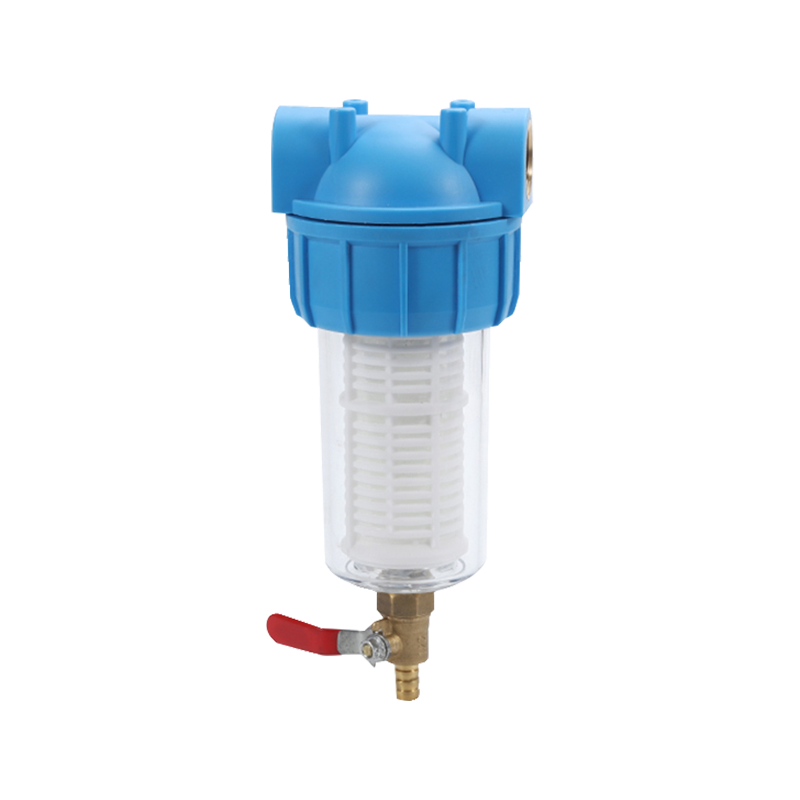
Filter air RH-06J5Bsingle dengan katup recoil tembaga ditandai oleh sistem filtrasi yang efisien, yang secara efektif dapat menghilangkan kotoran, bahan tersuspensi, sisa klorin, bau dan beberapa z...
Lihat detail -
 >
>
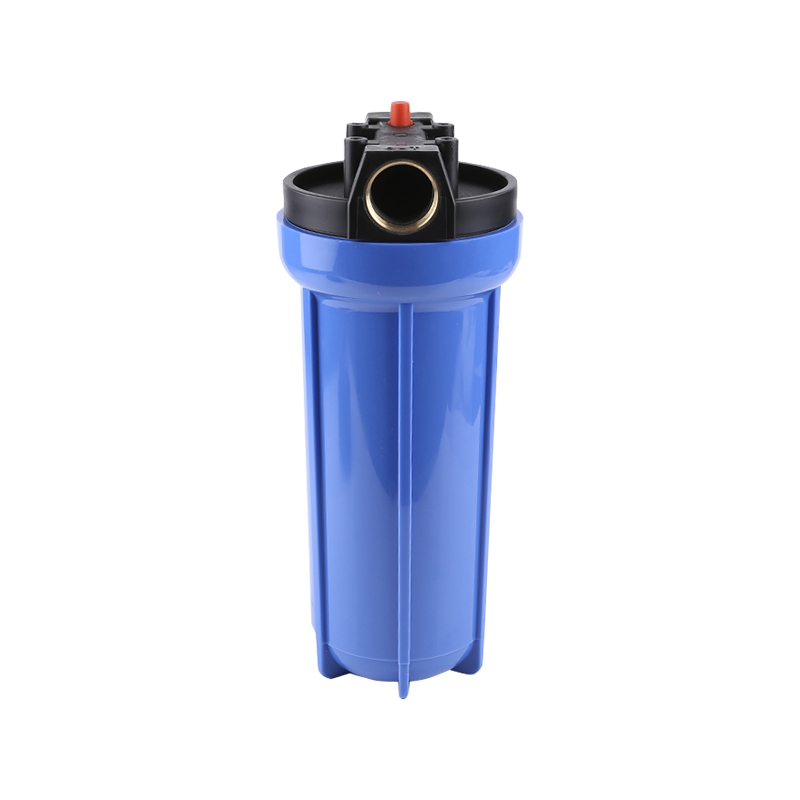
1. Filter air tunggal (15bar). 2. 10 "Botol Pet Botol Hitam, benang kuningan 3/4". 3. Dengan 10 "PP 70G Filter Cartridge. 4. Kotak Kotak Warna. 5. KOMPONEN: Sekrup papan gantung plastik...
Lihat detail -
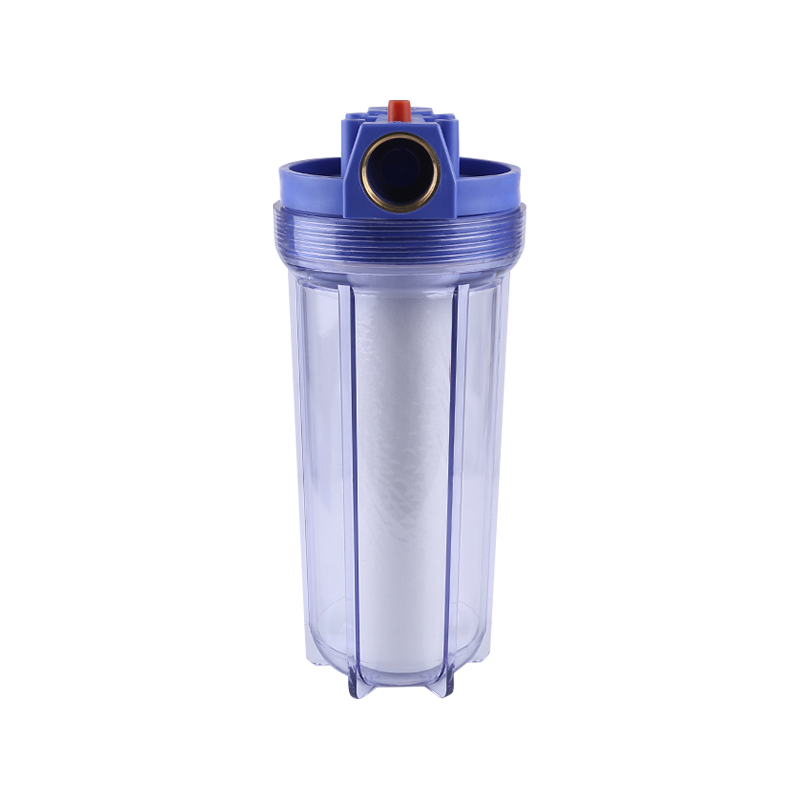 >
>
1. Filter air tunggal (15bar); 2. 10 "Botol Botol Pet, benang kuningan 3/4". 3. Dengan 10 "PP 70G Filter Cartridge. 4. Kotak Kotak Warna. 5. KOMPONEN: Sekrup papan gantung plastik kunci...
Lihat detail -
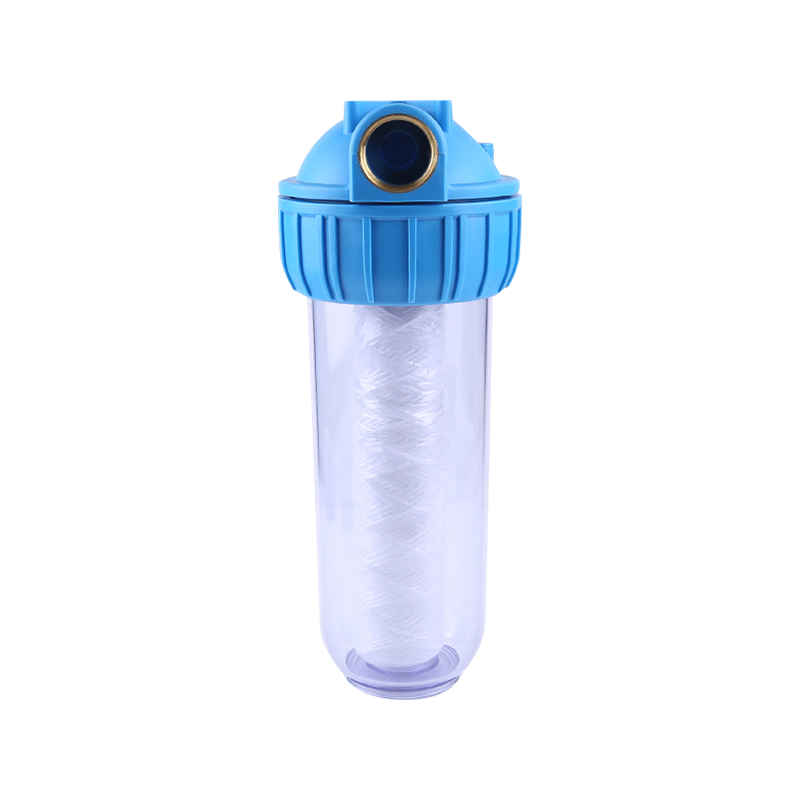 >
>
1. Filter air tunggal (15bar). 2. 10 "Botol Botol Pet, benang kuningan 3/4". 3. Dengan 10 "hlm 70g cartridge. 4. Kotak Kotak Warna. 5. KOMPONEN: Sekrup papan gantung plastik kunci pas. ...
Lihat detail -
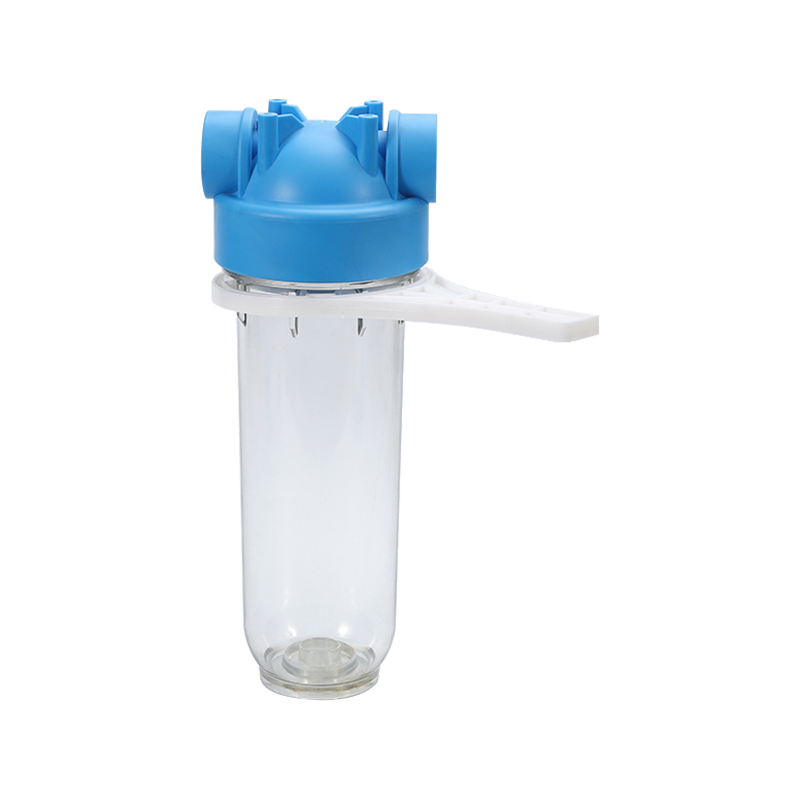 >
>
1. Filter air tunggal (15bar). 2. 10 "Botol Botol Pet, benang kuningan 3/4". 3. Dengan 10 "PP 70G Filter Cartridge. 4. Kotak Kotak Warna. 5. KOMPONEN: Sekrup papan gantung plastik kunci...
Lihat detail -
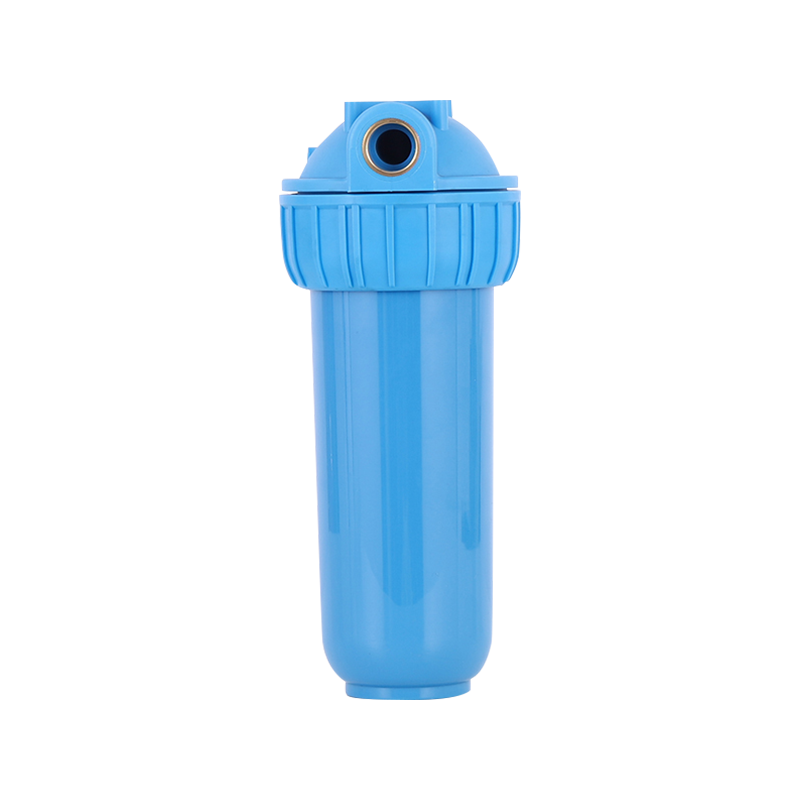 >
>
1. Filter air tunggal (15bar). 2. 10 "Pet Blue Bottle Blue Cap, 3/4" Benang Kuningan. 3. Dengan 10 "hlm 70g cartridge. 4. Kotak Kotak Warna. 5. Komponen: Papan gantung plastik kunci pas...
Lihat detail -
 >
>
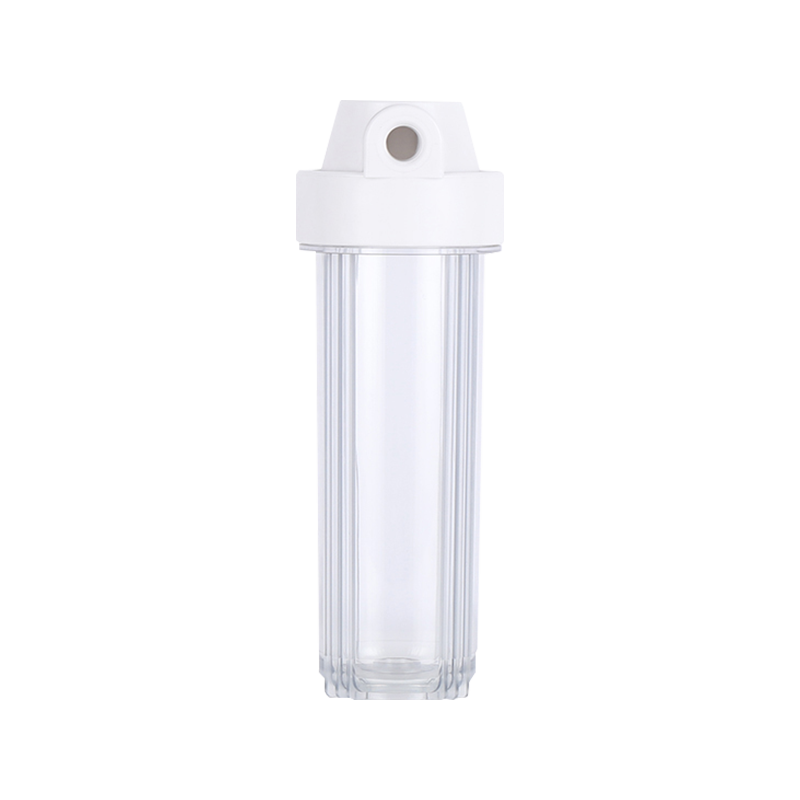
1. Filter air tunggal (15bar). 2. 10 "Pet Transparent Bottle White Cap, benang kuningan 1/4". 3. Dengan 10 "hlm 70g cartridge. 4. Kotak Kotak Warna.
Lihat detail

Jika Anda tertarik dengan produk kami, silakan konsultasikan dengan kami
Ningbo Yaorui Water Purification Technology Co., LTD. All Rights Reserved.
